Alireza Shakeri
Interview with filmmaker Alireza Shakeri
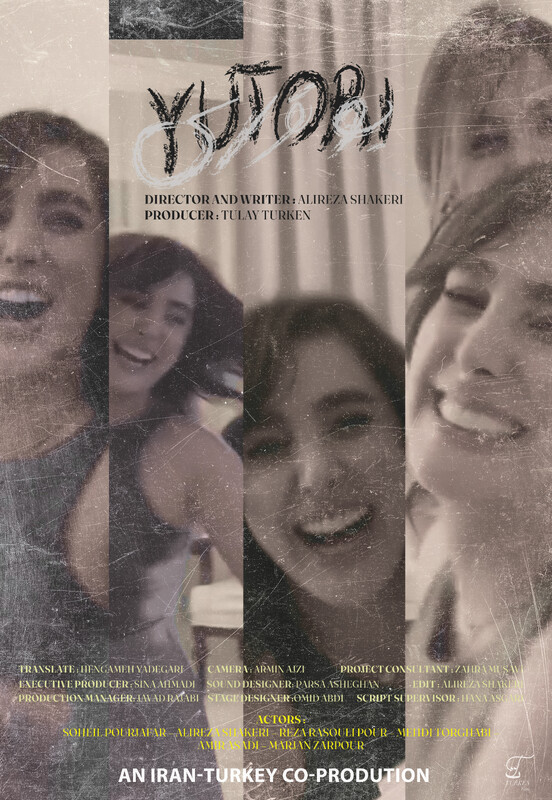
I usually watch a lot of feature films, but for a while they seemed to have lost their impact on me. Whenever I started watching a movie, I would quickly get bored and find myself turning to social media instead, watching the stories and videos posted by ordinary people.
One day, I asked myself: what do these videos have that makes them more engaging than films that cost tens of millions of dollars to produce? These were videos shot on mobile phones, often with no budget at all, yet they felt more immediate and compelling.
That question stayed with me and eventually became the starting point for this film. I wanted to make a film that felt almost documentary-like, rooted in a personal experience of my own. I became interested in the idea of revenge and approached it from a different perspective: what if, contrary to what we usually see in major films, the person who takes revenge feels worse afterward instead of better?
As for the title, I discovered the word “Yutori” in Japanese culture. It refers to creating space for reflection and taking time to think before acting, which resonated deeply with the themes of the film.
-What was it like working with cinematographer Armin Ajzi filming in the Iranian streets at night? What instructions did you give him? What were you looking for in him?
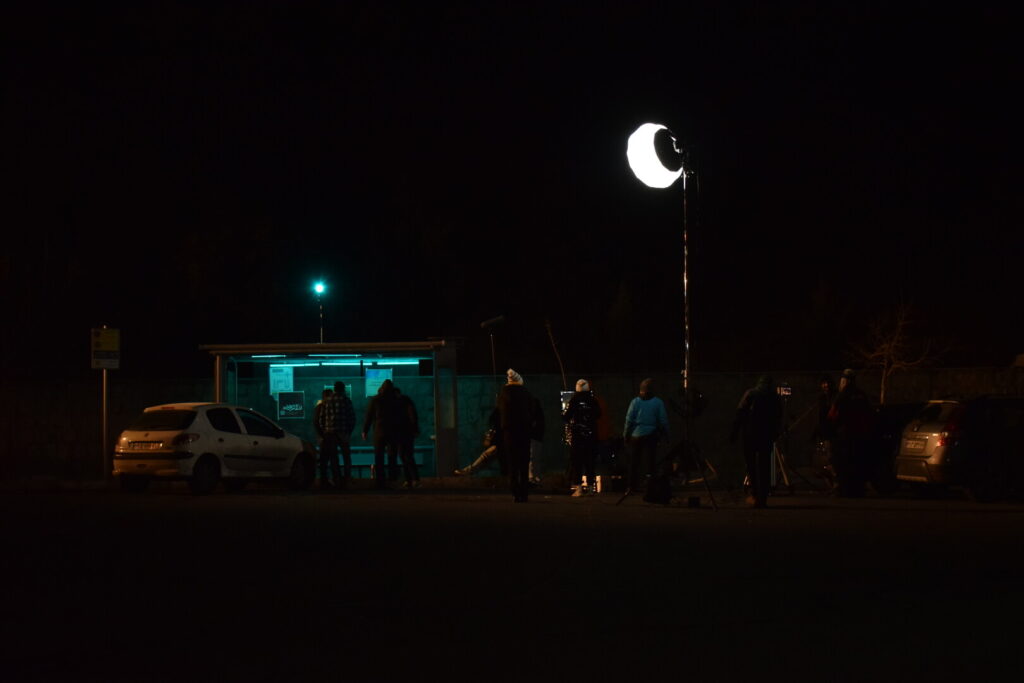
Working with Armin Ajzi was a very enjoyabole experience. From the very beginning, we had a strong understanding of each other and quickly arrived at a shared visual approach for the film. Once we found that style of découpage and staging, we stayed committed to it throughout the production.
Our intention was to shoot long takes, with each shot functioning almost as an entire scene on its own. This approach allowed the performances and the atmosphere of the film to unfold naturally and gave the audience a stronger sense of immersion in the story.
-How was the filming of the opening and closing party sequences?
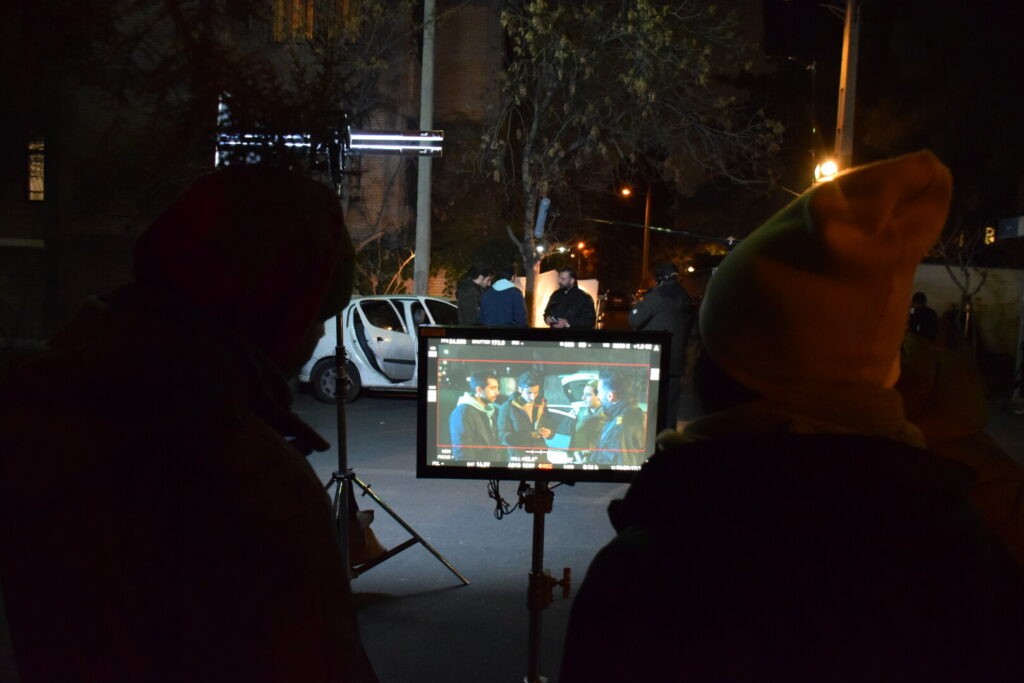
The opening sequence was actually a documentary recording of my real birthday in real life. I only wrote what came before and after that event, and then we tried to develop the story around a simple question: what would happen if an act of revenge took place after I had broken up with my girlfriend?
The film explores whether everyone is capable of hurting others, or whether some people are simply born to be victims. That question became one of the central themes of the story and shaped the emotional journey of the main character.
-What was it like being one of the main actors and the director of the film?
In some ways, it was a very positive experience because I didn’t need to spend a great deal of time explaining my ideas to another actor or trying to bring them into my way of thinking. Since I was both the director and one of the main actors, I already had a clear understanding of the character and the emotional direction of each scene.
At the same time, it came with its own challenges, which sometimes slowed the process down. On highly independent productions like this, people often take on responsibilities that go far beyond their official roles, and I was no exception. Balancing the demands of directing, acting, and handling various production responsibilities at the same time required a great deal of focus and energy.
-Do you have any anecdotes from the shoot that you’d like to share? What was the most difficult sequence to film?
This film was made in Iran without any censorship of its dialogue, and that alone made the production much more difficult given the sensitivities surrounding this kind of filmmaking in my country.
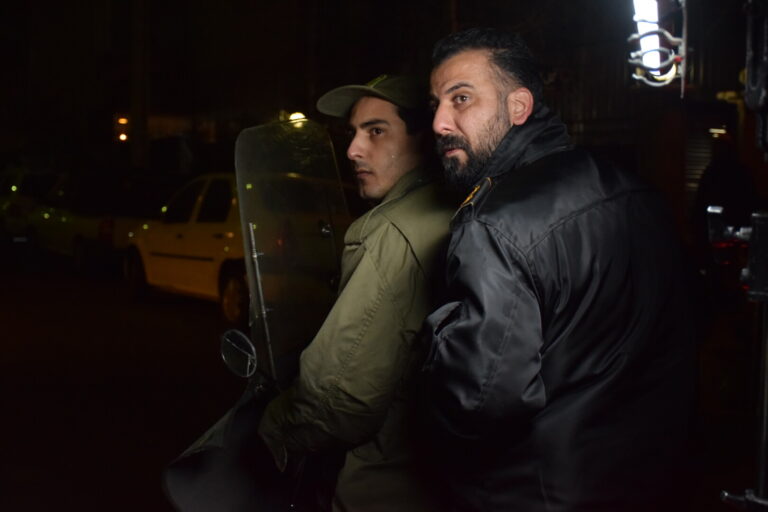
We also had scenes involving the police, but we did not have official permission to film them. In fact, the entire film was made without a permit. In Iran, filming in public spaces without authorization can be considered an offense, leading to fines, confiscation of equipment, and in some cases even detention or imprisonment for the filmmaker.
One of the most memorable incidents happened on our second night of shooting. The police unexpectedly arrived on set, and we were forced to quickly move the footage away from the location in another vehicle to avoid losing it. We then had to perform a different story in front of the real police officers, telling them that we were making a student project and urgently needed to finish filming. After a great deal of pleading and negotiation, they eventually allowed us to leave.
A few hours later, we returned and continued shooting.
In many ways, the anxiety experienced by Ali and Soheil in the film was completely real. The fear of being stopped by the police and having the production shut down was constantly present during filming. Ironically, that genuine tension helped strengthen the film’s atmosphere and added to the sense of unease that runs throughout the story.
-How was the casting process for Soheil Pourjafar Pourjafar?
soheil pourjafar : To answer your question, I wasn’t acted to this film. I just going to work as the assistant director.
When the director asked me to play the role, I wasn’t sure about it because I didn’t have many experience acting in front of the camera. I even suggested another actor who I thought would be better for the film. But he wasn’t what the director was looking for.
I think the main reason the director chose me was because he was also playing the lead role. We had acted together in theater many years, so we already knew each other’s style. That made things much easier.
It’s not easy to direct a film and act in an independent film with a small crew and a lot of pressure during filming. In that kind of project, you have to make choices that are best for the film.
And in end
I’m very grateful that to director for trusted me.
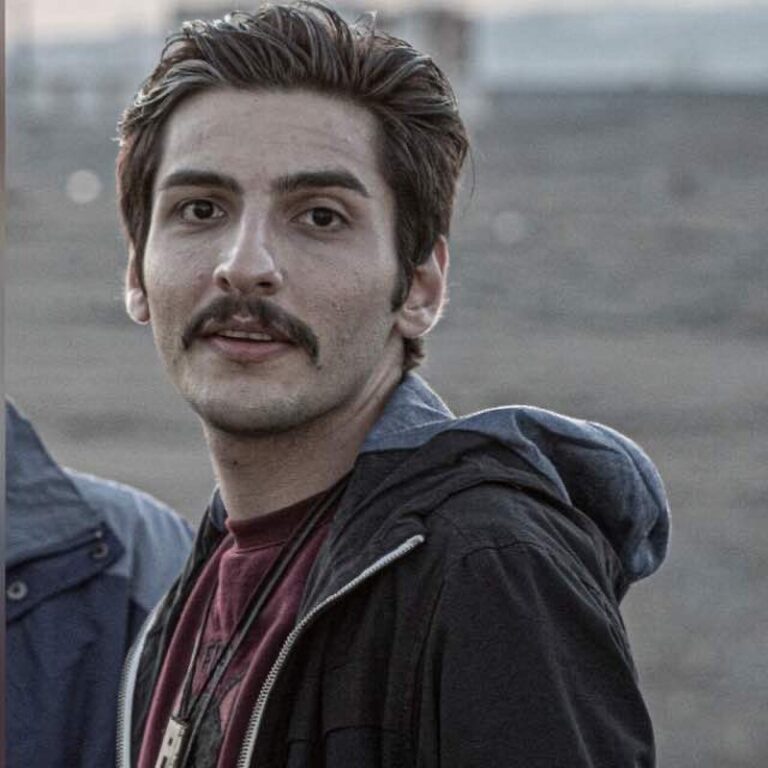
Alireza Shakeri | Biography, Movies & Facts
my name is Alireza shakeri
Born in 1995
Bachelor’s degree in cinema
Email : shakerialireza760@gmail.com
Instagram : Alireza_shakerii
…
Short movie’s
Body seller : Made it to the festival ( izmir kisa film festival 2023 academy award – 71 martovski belgard – ibiza goya award -short sweet America -that film berlin – Milazzo film festival )
two lives : Made it to the festival ( jagran film festival – lift india film festival – korea international – nefiltravanae kino -rapidlion film festival – international Alexandria short film festival – gbeck future film festival )
short film :
In the beginning of a cold season ( writer and director )
…
I wrote a book titled Bricolage Cinema, which was published in Iran by Naesl Javan Publications