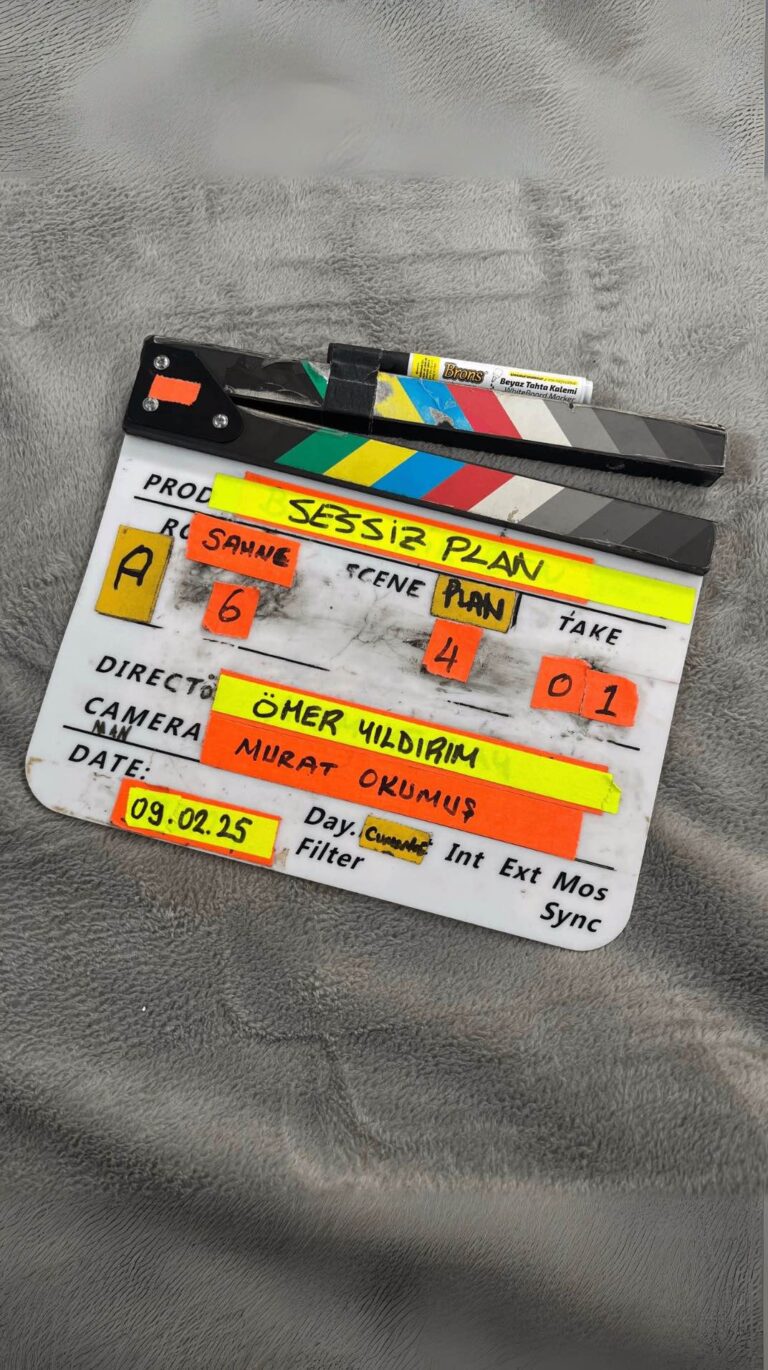
Ömer Yıldırım
SESSIZ PLAN (SILENT PLAN)
A powerful and tender satire, a splendid and biting comedy with an exceptional cast featuring the acting prodigies of the moving Merve Ayaz and the dynamic Elif Çakırtas. Ömer Yildirim writes a script full of witty and sparkling dialogue, exuding naturalness, sincerity and realism. Broken illusions parade in a chaotic farce with spectacular, extravagant and deafening gags. A devastating parody of technological mythologizing, a cruel fable of the siren song of the pharmaceutical industry, always tied to profit and money.
Director Ömer Yildirim, with his always mordant observation of his characters, achieves a perfectly controlled tone, painting a colorful, varied, fresh and entertaining portrait of Turkish society that disguises a certain harsh criticism of some of the country’s institutions. The ending is a thunderous crash of bitterness after the incredibly savage battle between hearing impairment and the capitalist system. Mehmet Sah Celik, Elif Çakırtas, Berk Aydin and Merve Ayaz embark on a heartbreaking journey filled with moments of sadness, collapse, overcoming and happiness, where successive disagreements and frustrations highlight the stigma surrounding deafness.
Didactic, motivating and emotional, superb in its simplicity, Ömer Yildirim’s film vibrates with touch, laughs with gestures and cries in silence.
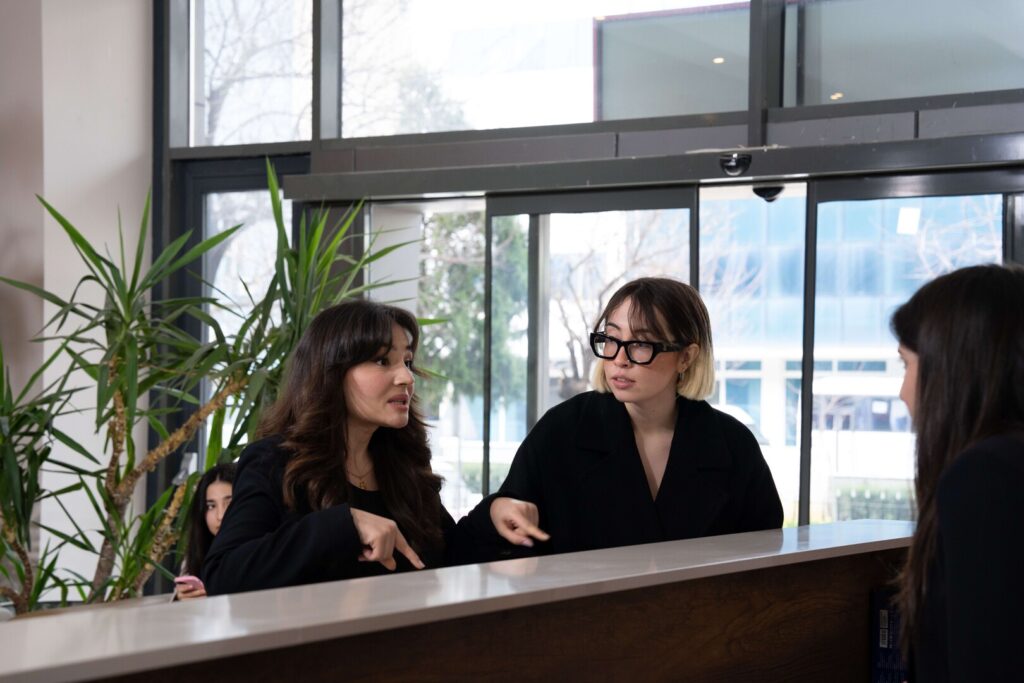
Interview with filmmaker Ömer Yildirim
For the casting process, we chose to work entirely with professional actors; only a few had their first on-camera experience with this film. While searching for the main characters, I met Merve Ayaz — an actress, sign language instructor, and interpreter — whose connections to the deaf community were invaluable. Through Merve, I met Berk Aydın and Elif Çakırtaş, both of whom are deaf actors. Working with them added tremendous authenticity and depth to the film. I also persuaded Merve to take on an acting role, completing the core cast of four: Mehmet Şah Çelik, Elif Çakırtaş, Berk Aydın, and Merve Ayaz. Merve adapted wonderfully on set and delivered a strong performance.
The rest of the cast included experienced actors such as Müslüm Tamer, Emre Ertunç, Özge Kutlu, Tapdıg Aliyev, Enes Eymen Ayvaz, Ahmet Talay, Emin Yaşar, and Sabri Arafatoğlu. Bringing together actors with diverse levels of experience gave the production a very natural and genuine energy on set.
-What was it like working with actress Merve Ayaz? What was it like working with her?
Working with Merve on set was an absolute pleasure. Initially, I had approached her only as a sign language instructor and interpreter. But as I got to know her, I was impressed by both her personality and her acting potential, and decided to bring her into the project as an actress as well. She already had a strong bond with Elif and Berk, which created a very natural harmony on set.
Throughout the shoot, Merve carried a dual responsibility: she was both an actress and the key bridge between the crew and the deaf actors, facilitating communication on and off camera. Even when her scenes were finished, we constantly turned to her for input, and she remained by my side behind the camera, continuing to support us throughout the production. This dual role was far from easy, but she managed it with great dedication and skill. Her energy, discipline, and authenticity added so much to the film.
-Mehmet Şah Çelik is a very experienced actor in the film industry. What was it like working with him?
One of the best parts of working with Mehmet Şah is that his experience not only elevates his own performance but also contributes positively to the atmosphere on set. The bond he built with the deaf actors created a very authentic and warm dynamic in the scenes. This process was also an enriching and transformative experience for him, and in the end, he delivered a truly genuine character.
-What was it like working with child actors?
Tapdıg Aliyev had prior film experience, and this project was my first opportunity to work with him. He’s a very intelligent and talented young actor who adapted very well on set. For our other child actor, Enes Eymen Ayvaz, this was his first acting experience. I adapted his role accordingly to help him feel comfortable, and despite being his first time on camera, he gave a very natural and convincing performance.
When working with child actors, it’s important to create a patient and flexible set environment. I made sure they felt at ease, so they could remain natural in their scenes. In the end, this contributed a warm and genuine tone to the film.
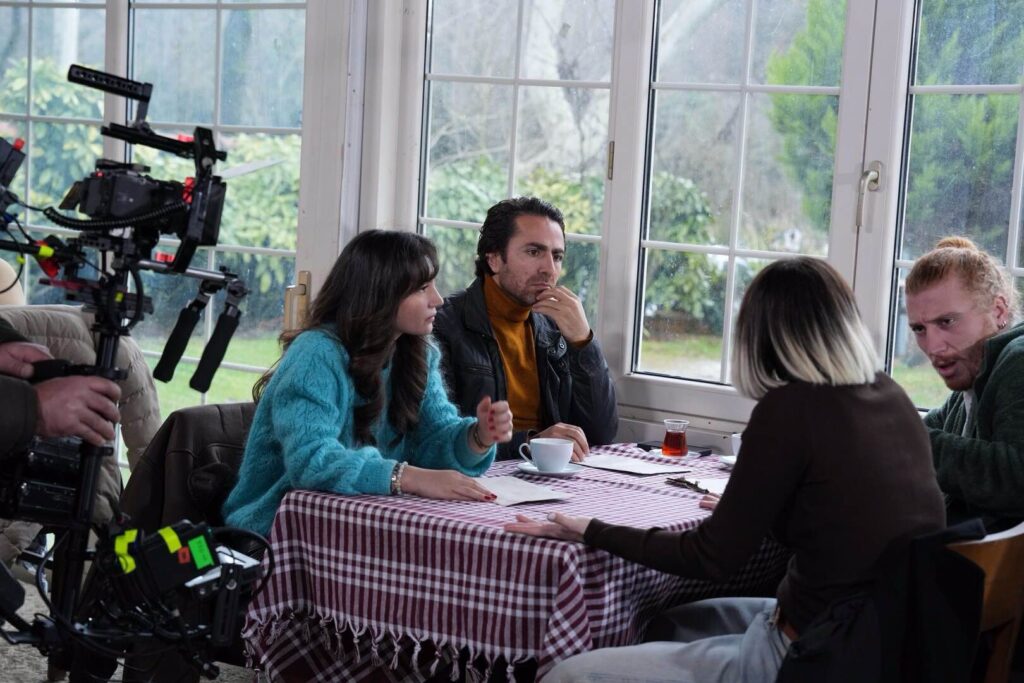
-The film blends many genres, such as social drama, slapstick comedy, and futuristic sci-fi overtones. How did you construct the script for the film?
For me, the most important thing was always to tell a strong story. From the very beginning, I never approached this as a “social responsibility project” or a “disability-themed film.” This is a work of fiction — a film with deaf characters in the lead, but it isn’t trying to represent anyone or deliver a didactic message. Deaf individuals are the subjects here, but the aim was never to make a statement — it was always about crafting a cinematic narrative. This is not a documentary, and throughout the process, I worked carefully to maintain that balance.
Of course, during the script development and production phases, our deaf actors’ personal experiences were an invaluable resource. Their observations, small details from their lives, gestures, and personal stories added depth to the characters and brought a natural layer to the film. These contributions helped ground the emotional core of the story in something authentic.
In terms of tone, I didn’t want to trap the film in a typical drama or tragedy. Like life itself, I wanted the film to have moments of humor, hope, and even a touch of fantasy. The near-futuristic elements stem from the idea of an “experimental hearing device” at the heart of the story — which offers both a sense of hope and raises ethical questions.
While writing the script, I paid close attention to balancing these different tones — in the dialogue, scene structure, and visual language. My goal was to create a sincere, engaging, and fluid cinematic experience for the audience.
-What is your relationship with the world of deaf people? Have you read much literature on the subject, such as Oliver Sacks’ books?
I hadn’t read Oliver Sacks at the time. After finishing the script, I spent a lot of time reflecting on the emotional nuances and small details of the story. I revised some scenes and added new ones during this process. Elif, Berk, and especially Merve were incredibly helpful — their insights and feedback allowed me to shape a more authentic and honest narrative.
-Do you think there are many films that deal with the sensory experience of deaf people? Did you use any films as reference when filming Silent Plan?
I wanted to learn about the everyday challenges and how people navigate them in real life — the ways they communicate, the subtle details of their experience — so I could portray these elements correctly. I didn’t go through a process of watching documentaries or researching other films about this subject. For me, the main focus was always building a strong story and creating a believable world.
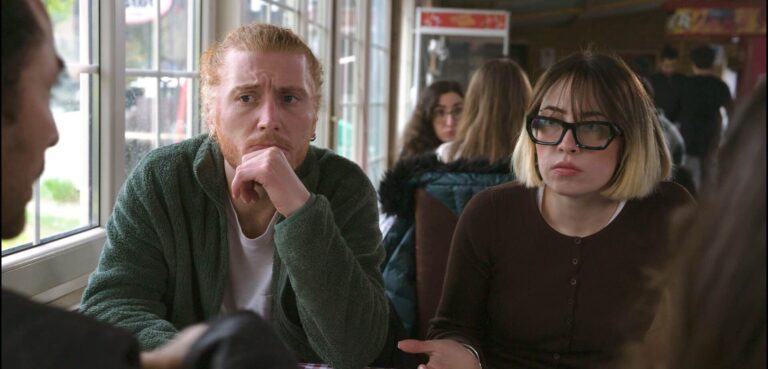
-There are many details that reflect characteristics of life for a deaf person, such as turning the light on and off to attract attention, or the use of Wassily Kandinsky’s musical paintings. What was it like working with art director Duygu Saribeyli?
Thanks to Duygu’s careful and creative approach, the film’s visual language became much more cohesive. The spaces and set pieces were no longer just backgrounds — they became meaningful elements that supported the story and enriched the characters’ world.
-Mustafa Yunal did an excellent job composing the film’s music. What instructions did you give him?
We didn’t really give him a lot of direction. Instead, he asked us the right questions and truly understood what kind of feeling we wanted to convey. With each piece of feedback, he adjusted the music, the tones, and the instruments he used. He’s not only very talented but also incredibly collaborative.
Right now, Mustafa — through Anvean Studio — is also working on releasing the film’s soundtrack. They are preparing three or four tracks and a couple of songs. I truly believe his music has added a lot of value to the film.
-This is your first film as a director. What was the most challenging aspect for you? Do you have any anecdotes from filming that you’d like to share?
There isn’t really a single moment I’d call “unforgettable” — because there were so many. The excitement of our deaf actors on set, the great harmony between them and the other cast members, Mehmet Şah’s dedication and the stress he felt in wanting to perform sign language correctly, Merve’s incredible effort as both an instructor and an actress, and the high energy of the other professional actors…
Thinking back on all those moments, even before we finished filming, I had this strong feeling: “This is going to be a good film.” That feeling helped me forget the exhaustion and all the challenges we faced. Looking back now, I can barely remember most of the difficulties.
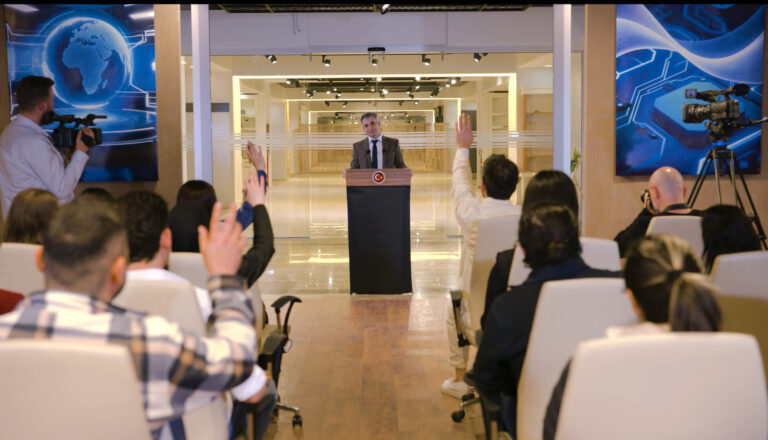
-What is it like filming independent films in Turkey? Which contemporary or historical Turkish director do you most admire?
On the other hand, working independently gives you a great deal of freedom. You can tell your story in your own way, with your own creative voice. That’s something I really value — because in the end, the film becomes a true reflection of your personal vision.
As for favorite directors — it’s hard for me to name just one. There are many films and scenes that I admire, but sometimes I’m surprised by those same directors’ later works. So I’d say there are films or moments I appreciate from many different filmmakers.
-Do you have any upcoming film projects you’d like to talk about?
Additionally, there is another story currently in development — this project revolves around a more universal theme, and I’m planning to shoot it in London. The goal is for it to reach a wider audience and to be a more globally oriented production.
Drawing on the creative and technical experience we gained from Silent Plan, I’m very eager to create new works with strong visual storytelling and emotional depth. I look forward to sharing these projects when the time is right.
Ömer Yildirim | Biography, Movies & Facts
In addition, he works in the field of cultural events and teaches acting, directing, and visual storytelling. He has collaborated with TRT, publishing houses, various universities, and independent organizations — and continues to develop projects in these areas. He has also directed animated films. He is the author of “Acting Techniques and Role Study”.
Silent Plan is his first short film as a director. The film has been selected and awarded at numerous international festivals, from Tokyo to Los Angeles. He is currently developing new feature film and series projects.
Official Web: www.silentplanmovie.com
IMDB page: https://www.imdb.com/title/
Instagram Profile: @silentplanmovie